

Radio Frequency Identification (RFID)
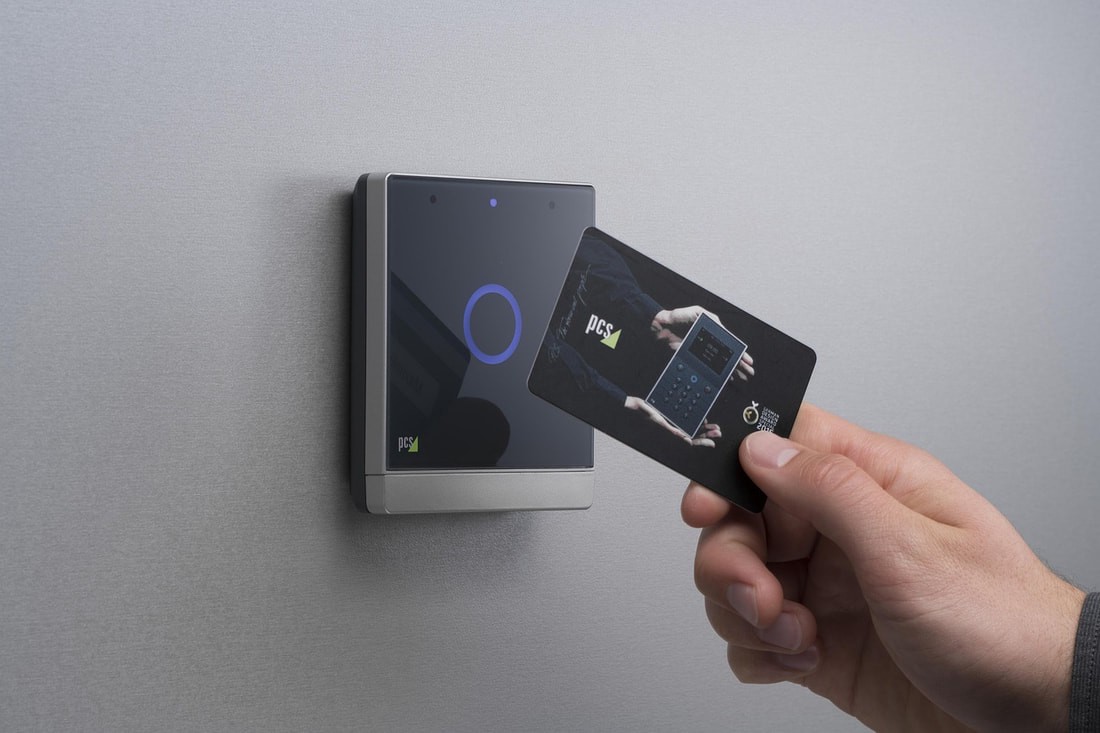
- Commission for Air Quality Management for Delhi-NCR has warned that commercial vehicles without RFID tags or inadequate balance in the tags, will not be allowed entry from January 1.
- RFID is a technology behind Fastag which uses radio frequency waves to track the items and transfer the data without being in contact by reading and capturing the information stored on a tag which is attached to the object.
- It also uses electromagnetic fields to automatically identify and track tags attached to objects.
- An RFID system consists of a tiny radio transponder; a radio receiver and transmitter.
- A radio-frequency identification system uses tags, or labels attached to the objects to be identified.
- Two-way radio transmitter-receivers called interrogators or readers send a signal to the tag and read its response
RFID systems can be classified by the type of tag and reader.
- A Passive Reader Active Tag (PRAT) system has a passive reader which only receives radio signals from active tags (battery operated, transmit only).
- The reception range of a PRAT system reader can be adjusted from 1–2,000 feet (0–600 m), allowing flexibility in applications such as asset protection and supervision.
- An Active Reader Passive Tag (ARPT) system has an active reader, which transmits interrogator signals and also receives authentication replies from passive tags.
Usage of RFID
- In India, RFID technology is used in Fastags
- An RFID tag attached to an automobile during production can be used to track its progress through the assembly line
- RFID-tagged pharmaceuticals can be tracked through warehouses; and implanting RFID microchips in livestock and pets enables positive identification of animals.

You may also like


BRO to build First Steel Slag Road in Arunachal Pradesh
20 August, 2022
“Dahi-Handi” Recognised as an Official Sport of Maharashtra
20 August, 2022