

The Tharu tribals
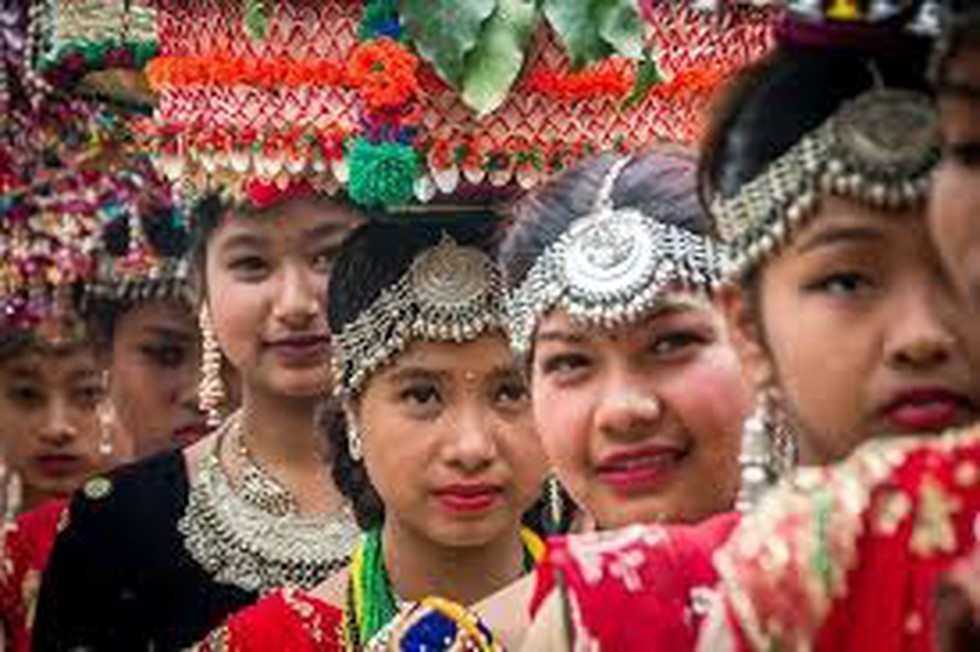
- The Uttar Pradesh government has recently embarked upon a scheme to take the unique culture of its ethnic Tharu tribe across the world.
- The intention is to put Tharu villages on the tourism map, and to create jobs and bring economic independence to the tribal population.
- The community belongs to the Terai lowlands, amid the Shivaliks or lower Himalayas.
- Most of them are forest dwellers, and some practice agriculture.
- The word tharu is believed to be derived from sthavir, meaning followers of Theravada Buddhism
- The Tharus live in both India and Nepal. In the Indian terai, they live mostly in Uttarakhand, Uttar Pradesh, and Bihar.
- According to the 2011 census, the Scheduled Tribe population in Uttar Pradesh was more than 11 lakh
- The biggest chunk of this tribal population is made up of Tharus.
- Members of the tribe survive on wheat, corn and vegetables grown close to their homes.
- They speak various dialects of Tharu, a language of the Indo-Aryan subgroup, and variants of Hindi, Urdu, and Awadhi. In central Nepal, they speak a variant of Bhojpuri, while in eastern Nepal, they speak a variant of Maithili.
- Tharus worship Lord Shiva as Mahadev, and call their supreme being “Narayan”, who they believe is the provider of sunshine, rain, and harvests.
- Tharu women have stronger property rights than is allowed to women in mainstream North Indian Hindu custom.
- Most Tharu tribals consume alcoholic beverages, and some eat beef.
- Standard items on the Tharu plate are bagiya or dhikri – which is a steamed dish of rice flour that is eaten with chutney or curry – and ghonghi, an edible snail that is cooked in a curry made of coriander, chili, garlic, and onion.

You may also like


BRO to build First Steel Slag Road in Arunachal Pradesh
20 August, 2022
“Dahi-Handi” Recognised as an Official Sport of Maharashtra
20 August, 2022