

Not all Indian droughts are caused by El Nino
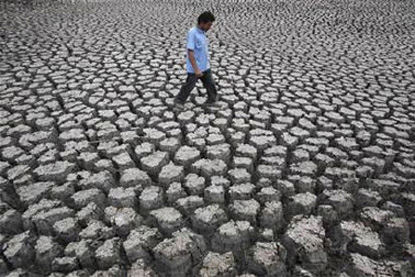
- Nearly six out of 10 droughts, in non-El Nino years, that occurred during the Indian summer-monsoon season in the past century may have been driven by atmospheric disturbances from the North Atlantic region
- In an El Niño year, abnormally warm equatorial Pacific waters pull moisture-laden clouds away from the subcontinent
- However, around August third week, there was a sudden steep decline in rainfall, resulting in drought conditions.
- Winds in the upper atmosphere are interacting with a deep cyclonic circulation above the abnormally cold North Atlantic waters.
- The resulting wave of air currents, called a Rossby wave, curved down from the North Atlantic squeezed in by the Tibetan plateau and hit the subcontinent around mid-August, suppressing rainfall and throwing off the monsoon that was trying to recover from the June slump.
- In 2014, India saw a 14% rainfall deficit — or a drought — that wasn’t linked to El Nino and before that in 1986 and 1985.

You may also like

BRO to build First Steel Slag Road in Arunachal Pradesh
20 August, 2022
“Dahi-Handi” Recognised as an Official Sport of Maharashtra
20 August, 2022