

K-Shaped Recovery
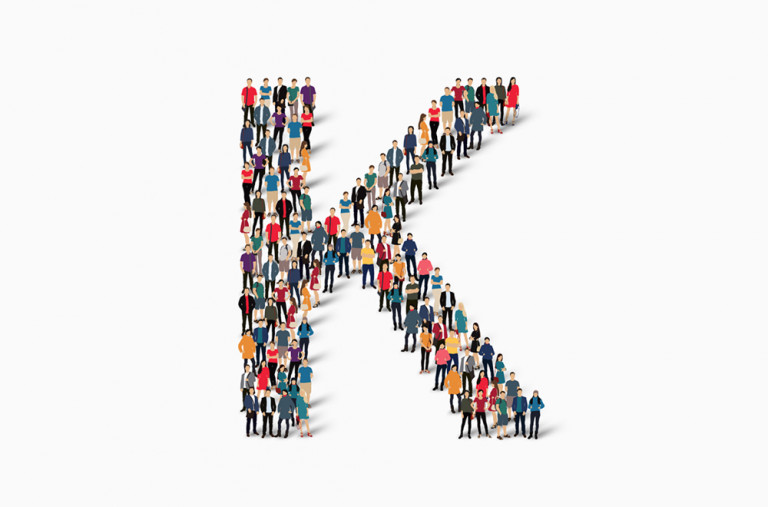
- A K-shaped recovery is one in which the performance of different parts of the economy diverges like the arms of the letter “K.”
- Economic performance of different sectors, industries, and groups within an economy always differ to some extent, but in a K-shaped recovery some parts of the economy may see strong growth while others continue to decline.
- Unlike other letter-shaped descriptors, which focus on large aggregates, a K-shaped recovery is described in terms of data broken out across different parts of the economy.
- The meaning of a K-shaped recovery really depends on the choice of how to disaggregate data across the economy.
- The macro implications of a K-shaped recovery:
- Upper-income households have benefitted from higher savings for two quarters.
Best “PSIR Answer Writing” course visit www.upschacks.com
- Households at the bottom have experienced a permanent loss of income in the forms of jobs and wage cuts; this will be a recurring drag on demand, if the labour market does not heal faster.
- To the extent that COVID has triggered an effective income transfer from the poor to the rich, this will be demand-impeding because the poor have a higher marginal propensity to consume (i.e. they tend to spend (instead of saving) a much higher proportion of their income.
- If COVID-19 reduces competition or increases the inequality of incomes and opportunities, it could impinge on trend growth in developing economies by hurting productivity and tightening political economy constraints.
- Policy will, therefore, need to look beyond the next few quarters and anticipate the state of the macroeconomy post the sugar rush

You may also like


BRO to build First Steel Slag Road in Arunachal Pradesh
20 August, 2022
“Dahi-Handi” Recognised as an Official Sport of Maharashtra
20 August, 2022