

India Releases Draft Arctic Policy
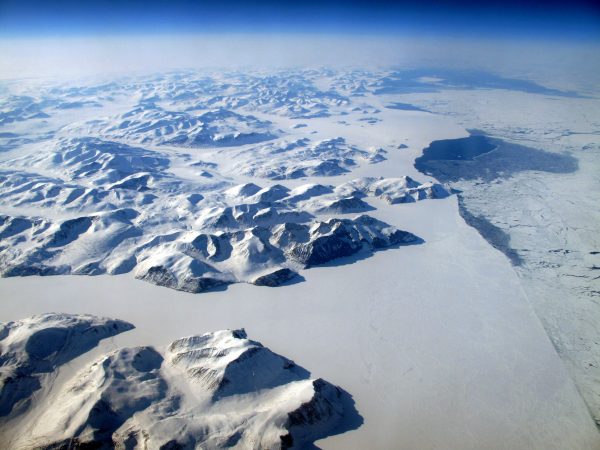
- India seeks to play a constructive role in the Arctic by leveraging its vast scientific pool and expertise in Himalayan and Polar research.
- India would also like to contribute in ensuring that as the Arctic becomes more accessible, the harnessing of its resources is done sustainably and in consonance with best practices formulated by bodies such as the Arctic Council
- The country became an Observer in the Arctic Council for the first time in 2013; its membership in that body was renewed for a second five-year term in 2018.
- While British India signed the Svalbard Treaty – which, while recognizing Norway’s sovereignty over Spitsbergen, also allowed other signatories free access to the region along with maintaining a commitment to not militarizing it – in 1920, independent India’s engagement with the Arctic started in 2007 with a scientific expedition to the region.
Best “PSIR Answer Writing” course visit www.upschacks.com
- India now maintains a permanent presence in the region through a research base, Himadri, and two observatories, in Kongsfjorden and Ny Alesund.
- The recently released draft document outlines five pillars of India’s Arctic policy: scientific research, economics and human development; connectivity; global governance and international cooperation; and development of Indian human resource capabilities.
- The document notes, “there are several synergies between polar studies and the study of the Himalayas. Arctic research will help India’s scientific community to study melting rates of the third pole – the Himalayan glaciers, which are endowed with the largest freshwater reserves in the world outside the geographic poles.”
- Equally sound is its observation that melting ice in the Arctic due to climate change could release new pathogens that had previously remained trapped, thus increasing the possibility of future pandemics.

You may also like

BRO to build First Steel Slag Road in Arunachal Pradesh
20 August, 2022
“Dahi-Handi” Recognised as an Official Sport of Maharashtra
20 August, 2022